


Pregnancy Calendar Members Login Here    
Search
 
Web Our Site

MAIN MENU
Pregnancy Tests
Childbirth & Labor
  Work & Travel
  Pregnancy Safety
  Beauty & Fashion
  Get Prepared
  Pregnancy Articles
  Post Pregnancy
Fatherhood
Baby Names
Babys First Year
Member Due Dates
Pregnancy Quiz
  Help
  Pregnancy Forums
  Pregnancy Galleries
  Pregnancy Videos
  Give-Aways


Random Baby Pic


View More Baby Pics

 
GALLERY & MEDIA


Pregnancy Gallery

View our pregnancy gallery and view real pictures of bellies, ultrasounds and more.


Home : Articles : Pregnancy Complications : Specific : Molar Pregnancy Average rating: 5.0  2 votes

What Is A Molar Pregnancy and How Is It Treated?

A Partial Molar PregnancyA molar pregnancy is the result of an in placenta which is caused by a problem when the egg and sperm join at fertilization. Molar pregnancies are usually extremely rare – occurring only in 1 out of every 1000 pregnancies

A molar pregnancy may also be called gestational trophoblastic disease (GTD), hydatidiform mole

There are two types of molar pregnancy:

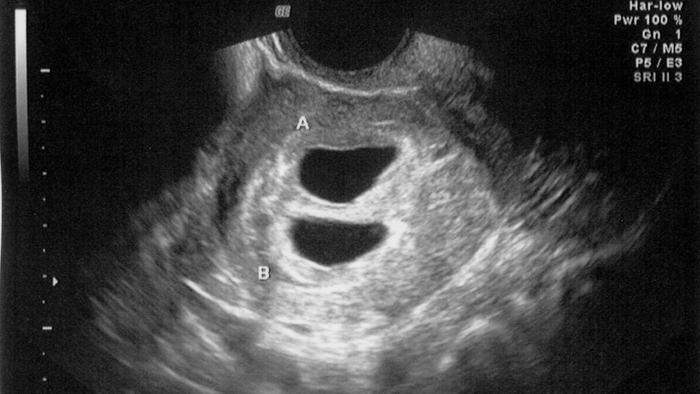
Complete molar pregnancy. In place of a normal placenta and embryo, the hydatidiform mole is abnormal placental tissue that grows into a grapelike cluster that can fill the uterus
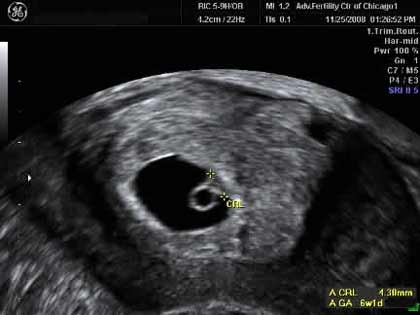
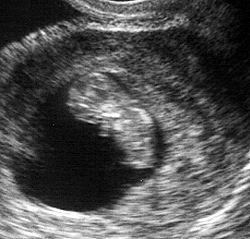
Partial molar pregnancy. Partial Mole occurs when the mass contains both the abnormal cells and an embryo that has severe defects. In this case the fetus will be overcome by the growing abnormal mass rather quickly

An extremely rare version of a partial mole is when twins are conceived but one embryo begins to develop normally while the other is a mole. In these cases, the healthy embryo will very quickly be consumed by the abnormal growth

What Are The Risks Associated With Molar Pregnancy?

A hydatidiform mole can cause excessive bleeding from the uterus. A small percentage of molar pregnancies lead to abnormal cell growth called gestational trophoblastic disease. This is a growth of abnormal tissue inside the uterus during pregnancy that prevents the normal growth of a fetus. In some cases this tissue may continue to grow after a miscarriage and in some cases lead to uterine cancer or even spread to other parts of the body

15% to 20% Of complete molar pregnancies develop trophoblastic disease and only a small percentage of these may become invasive cancer. Of those which do develop invasive cancer – almost 100% of them are cured
Only around 5% of partial molar pregnancies develop trophoblastic disease.

Who Is At Risk Of A Molar Pregnancy?

In the US, approximately 1 out of 1,000 pregnancies is a molar pregnancy
Mexico, Southeast Asia, and the Philippines have higher rates than the US for molar pregnancies in women
White women in the US are at higher risk than black women
Women over the age of 40
Women who have had a prior molar pregnancy
Women with a history of miscarriage

What Causes A Molar Pregnancy?

It is thought that a molar pregnancy may be caused by a problem with the genetic information of an egg or sperm.

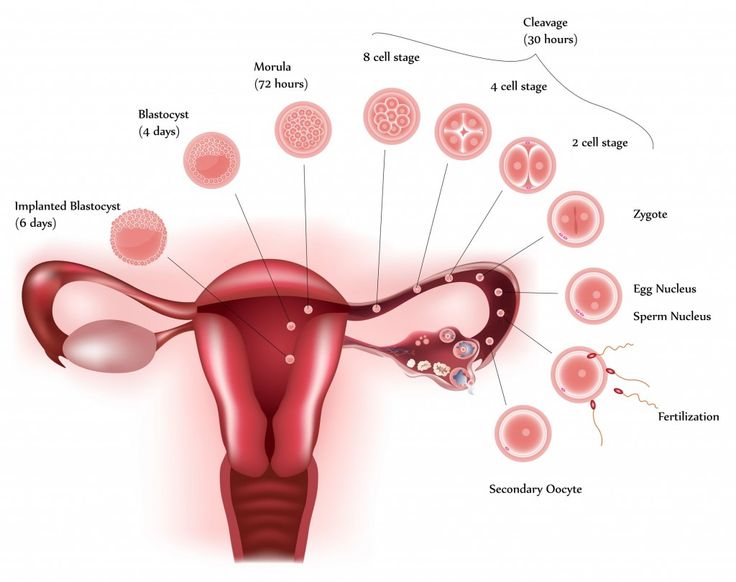
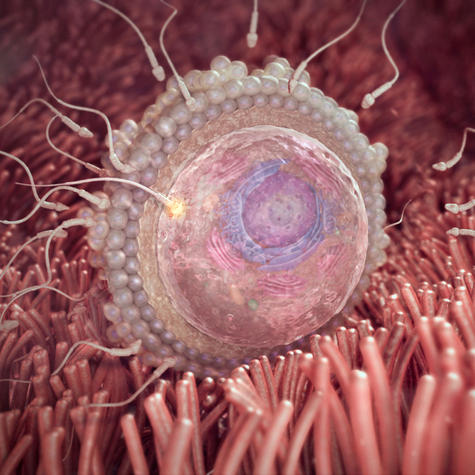
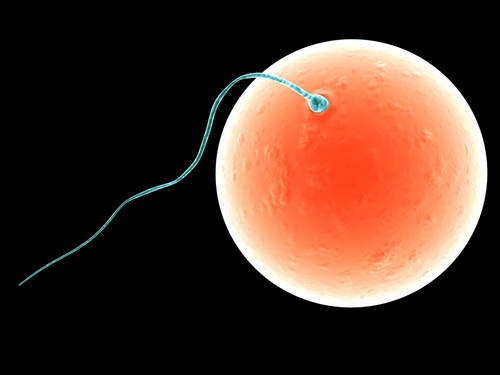
An abnormal egg with no genetic information is fertilized by a sperm. The sperm's chromosomes duplicate and develop into a complete mole

A normal egg is fertilized by two sperm. This cell mass is most likely to develop into a partial mole

What Are The Symptoms Of A Molar Pregnancy?
Vaginal spotting or bleeding
Nausea and vomiting
Develop rare complications like thyroid disease
Early preeclampsia (high blood pressure)
Increased hCG levels
No fetal movement or heart tone detected
How Is A Molar Pregnancy Treated?

If you are diagnosed with a molar pregnancy, you will need immediate treatment to remove all molar growth from your uterus. After your uterus is cleared of molar tissue, you will have periodic hCG blood tests to screen for signs of persistent cell growth (trophoblastic disease) in your uterus. These tests are done periodically for 6 to 12 months.

In some cases, trophoblastic disease can develop into trophoblastic cancer. However, most cases are identified early, located in the uterus only, and are highly curable with chemotherapy. In the rare case when cancer has had time to spread to another part of the body, more aggressive chemotherapy is necessary, sometimes combined with radiation treatment.

Most women who have been treated for trophoblastic disease are still able to become pregnant

After having a molar pregnancy, it is common to feel grief over losing a pregnancy and be fearful about cancer risk. Consider contacting a support group or talking to friends, a counselor, or religious advisor to help you and your family deal with this difficult time.


Was this information helpful?           What is this?


There are 0 comments for this article.


Logged-in Members can post comments
 

Related Topics and Articles

Ectopic Pregnancy
Excess Amniotic Fluid
HELLP
Hyperemesis Gravidarum
Hypotension
Incompetent Cervix
Molar Pregnancy
Placenta Abruption
Placenta Accreta
Placenta Previa
Pre-Eclampsia
PUPP

 
ON THE FORUMS
My night in the ER
I Can't Help It!
How everyone getting on?
sweating!
I did it!
partners w/ previous kids
Twin tummy growth.
Updates and crap..
kinda weird, but gotta ask
still no symptoms


Active Topics
 
WEEKLY POLL
Do You Want More Children After This Pregnancy?


See More Polls
 
WHATS POPULAR
Signs Of Preterm Labor
Sleeping
Bloating During Pregnancy
Bleeding During Pregnancy
Nasal Congestion
Glucose Tolerance Test
Sciatic Pain
Week 29
Week 28
Pregnancy & Dressing With Style


  Pregnancy Home |About Us | Terms of Service | Pregnancy Stages | Pregnancy Calendar | Pregnancy Symptoms | Pregnancy Calculator | Pregnancy Gallery | Pregnancy Forums