
Alpha Fetoprotein in Pregnancy
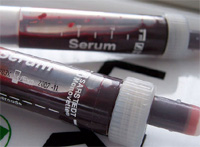 Now that you’re transitioning into your second trimester, you’re probably scouring the internet for everything you need to know (and probably some things that you don’t need to know) about the next three months of your pregnancy. Morning sickness symptoms are likely to fade and the “baby bump” will start to appear. You may start feeling your baby move and will soon be making a trip to your obgyn to find out the gender (unless you plan to be surprised). One of the other things that is important to know about during your second trimester is the alpha fetoprotein screening test, which is the focus of this article. This is a routine noninvasive blood test that is often performed between the 16th and 18th weeks of pregnancy and tests the level of Alpha Fetoprotein (AFP) in your blood and in turn, the blood of your baby. Having the test within this time frame is ideal for accuracy, though is it possible to have the test performed several weeks before and after, between 15 and 20 weeks.
What is Alpha Fetoprotein?
Alpha Fetoprotein (AFP) is a protein encoded by the AFP gene and is produced in your baby’s liver and yolk sac. The yolk sac is the protective membrane that surrounds the fetus and provides nutrients during gestation. The purpose of AFP is thought to be to carry a necessary hormones through the amniotic fluid to the unborn baby. What do I need to know about Alpha Fetoprotein Screening? Alpha Fetoprotein is often one part of a triple or quadruple screen test. The quadruple screen measures four pregnancy hormones and is slightly more accurate than the triple screening. The quadruple screening includes: – Inhibin A – Human chorionic gonadotropin – Unconjugated estriol – Alpha Fetoprotein all hormones produced by the baby and/or the placenta and released into the bloodstream of the mother. The triple screen test excludes the Inhibin A test. The levels of the AFP protein compared with the levels of the other hormones can help determine the birth defect that is most likely, if the test results are abnormal. Both high and low results can be a sign of a serious birth defect. A very low AFP level result can signify that your baby will be born with Down Syndrome or Edwards Syndrome, while an abnormally high AFP level can uncover a neural tube defect like Spina Bifida. The AFP test acts as an initial screening for potential problems and helps doctors decide if additional tests are required and what types of health issues they are testing for. We recommend asking your physician for specifics on what they consider to be a normal range, as this can vary from doctor to doctor. It is important to note that high readings on an AFP test can also be caused if you miscalculated your time of conception and are further along in your pregnancy than was originally believed. With all of the technology that is currently available for measuring a fetus, this is less likely to be the cause of a high AFP reading, but is still a possibility to consider. High AFP can also be an indication of a multiple pregnancy (twins, triplets, etc.). You physician should be able to rule these out if necessary through an ultrasound and/or a re-test or additional testing. Interestingly enough, this test can prove beneficial for adults who are not pregnant, since high levels of AFP can signify a serious health concern such as hepatitis or liver disease in non-pregnant adults. Is the test necessary? The AFP screening is not mandatory. Some parents opt out on the basis that they do not want to know if their unborn child as a birth defect and have that overshadow the rest of the pregnancy or be faced with the decision to terminate the pregnancy if a potential condition proves to be serious or terminal. Other parents are eager for the test and the piece of mind knowing that their child is healthy and the time to mentally prepare if the child is not. Doctors are more likely to recommend this screening to high risk mothers, those who are 35 or older, are diabetic (due to the insulin), have a history of birth defects in the family, or who have taken drugs or certain medications during the course of the pregnancy. Even if your results are abnormal, this does not guarantee that you child will be born with a birth defect. This test is not 100% accurate and studies have proven that out of a group of women who tests were “abnormal”, between 1/16 and 1/33 actually gave birth to children with defects. One beneficial aspect of this test is that it is fairly painless for the mother (blood sample) and does not harm the fetus in any way, so you be rest assured that this test will not put your child at risk if you do decide to have the screening performed. In the end, the decision is up to you whether you want to have this test performed.Alpha Fetoprotein