


Pregnancy Calendar Members Login Here    
Search
 
Web Our Site

MAIN MENU
Pregnancy Tests
Childbirth & Labor
  Work & Travel
  Pregnancy Safety
  Beauty & Fashion
  Get Prepared
  Pregnancy Articles
  Post Pregnancy
Fatherhood
Baby Names
Babys First Year
Member Due Dates
Pregnancy Quiz
  Help
  Pregnancy Forums
  Pregnancy Galleries
  Pregnancy Videos
  Give-Aways


Random Baby Pic


View More Baby Pics

 
GALLERY & MEDIA


Pregnancy Gallery

View our pregnancy gallery and view real pictures of bellies, ultrasounds and more.


Home : Articles : Pregnancy Tests : Non Stress Test Average rating: 5.0  4 votes

Fetal Non Stress Test - What Is It & Why Is It Done

The Fetal Non-Stress test is a simple and non-invasive test which is usually performed once you have progressed past the 28 week mark. This test – as the name suggested – does not put your baby under any stress at all.

How is a Non-Stress Test Performed?

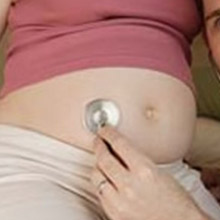
The test can take anywhere between 20 – 60 minutes to be complete. During the test you will be made to lie on your left side – sometimes with a wedge under your back that allows you to lean back. An assistant will strap two devices to your belly: One monitors your baby's heartbeat and movement and the other records contractions in your uterus. The assistant then listens to and watches your baby's heartbeat on an electronic screen while your contractions are recorded on paper.

Why would a NST be performed?

Your health care provider may want to perform a non stress test if:

You sense that the baby is not moving as frequently as usual
You are overdue
There is any reason to suspect that the Placenta is not functioning adequately
You are considered a High risk pregnancy

The test can indicate if the baby is not receiving enough oxygen because of placental or umbilical cord problems or other types of fetal distress.

The non stress test also allows your health care provider to measure the heart rate of your baby in response to its own movements. Healthy babies will respond with an increased heart rate during times of movement and the heart rate will decrease at rest.

What do the results mean?

If your baby's heartbeats while he/she is moving for at least 15 seconds on two separate occasions during a 20-minute span then the result is normal, or "reactive." A normal result means that your baby is probably doing fine. Your practitioner may want to repeat the test every week (or more often) until your baby's born – this usually depends on why you are needing this test performed and how serious the cause is.

If your baby's heart doesn't beat faster while he's moving or your baby doesn't move after about 90 minutes, then result is "nonreactive." A nonreactive result doesn't necessarily mean something is wrong. It just means that the test didn't provide enough information. This usually means that the test will need to be done again in an hour or so, or your health care provider may choose to perform other tests.

A nonreactive result could also indicate that your baby isn't getting enough oxygen or that there are problems with the placenta. A nonreactive non-stress result requires additional testing to determine whether the result is truly due to poor oxygenation, or whether there are other reasons for fetal nonreactivity (i.e. sleep patterns, certain maternal prescription or nonprescription drugs).


Was this information helpful?           What is this?


There are 0 comments for this article.


Logged-in Members can post comments
 

Related Topics and Articles

Alpha Fetoprotein
Amniocentesis
Chorionic Villus Sampling
Common Blood Tests
Downs Syndrome
Fetoscopy
Glucose Tolerance Test
Non Stress Test
Quad Screen
Routine Visits
Triple Screen Test
Ultrasound
Ultrasound To See Baby's Gender

 
ON THE FORUMS
What could have caused this???
anyone know of a good at home job?
Babies come from Wal Mart
Can you believe this
Arthur's almost started furniture walking!
Breast feeding Help!
Clothes shopping pisses me the **** off!
Annoyed
SO I called the Doctor
what a long road this has been......


Active Topics
 
WEEKLY POLL
Are You Enjoying Your Current Pregnancy?


See More Polls
 
WHATS POPULAR
Tips for Working While Pregnant
Ultrasound Week 20
Home Pregnancy Test
Prenatal Care
Vitamin D During Pregnancy
Placenta Previa
Pregnancy & Car Travel
Safe Exercises During Pregnancy
Sex During Pregnancy
Essential Minerals and Vitamins


  Pregnancy Home |About Us | Terms of Service | Pregnancy Stages | Pregnancy Calendar | Pregnancy Symptoms | Pregnancy Calculator | Pregnancy Gallery | Pregnancy Forums