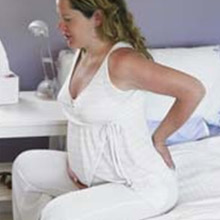




Heartburn during pregnancy is actually very common - more than one-half of all pregnant women report symptoms of severe heartburn, particularly during their
second and
third trimesters of their pregnancy.
What causes Heartburn?
Heartburn occurs when the valve between the stomach and the food pipe (esophagus) are unable to prevent the stomach acids from passing back into the esophagus.
During pregnancy, the placenta produces the hormone progesterone. Progesterone relaxes the smooth muscles of the uterus, but it also has the effect of relaxing the valve which separates the esophagus from the stomach and so, because this valve is not working as effectively as it should, gastric acids then seep back up, resulting in that unpleasant burning feeling we know as heartburn.
Heartburn is especially more common during the third trimester and this is simply because the growing uterus puts pressure on the intestines and the stomach, which pushes those gastric acids back up into the esophagus.
How can I prevent Heartburn?
Although you may not be able to completely prevent heartburn, you can definitely use these little tips and pointers to help ease the effects of heartburn:
Avoid food and beverages that cause you gastrointestinal distress Avoid carbonated drinks and caffeine Avoid acidic foods like citrus fruits and juices, tomatoes, mustard, and vinegar Avoid processed meats, mint products and spicy, highly seasoned, fried, or fatty foods Don't eat big meals - you would be far better off if you took in several smaller meals throughout the course of the day rather than fewer bigger meals Take your time eating and chew thoroughly before swallowing Although it is advised to drink 8-10 glasses of water per day, try and keep your fluid intake to between your meals rather than with them Don't eat your meals close to your bedtime. Give yourself two to three hours to digest before you go to bed Try chewing gum after your meal. By chewing gum you will be stimulating your salivary glands and saliva can help neutralize acid Gain a sensible amount of weight over the course of your pregnancy. Stay within the guidelines of what your healthcare provider suggests Wear loose, comfortable clothing. Avoid any tightness around your waist and tummy Bend at the knees instead of at the waist Sleep propped up with several pillows or a wedge. Elevating your upper body will help keep your stomach acids where they belong and will aid your digestion An over-the-counter antacid that contains
magnesium or calcium may ease discomfort, but check with your prenatal caregiver before taking one, because some brands contain aluminum or aspirin or are high in sodium.
Check with your healthcare provider if none of these suggestions help.
Sign up now, and recieve Weekly updates on how your pregnancy & your baby are developing. Including pictures, nutritional advice, info on symptoms and complications and so much more!
Stages Of Labor
We have broken the different stages of labor up into 3 separate stages, each having their own experiences. For first time pregnancies the average duration of pregnancy is around 37 weeks and labor lasts for around...
hCG Levels
During the course of your pregnancy your hCG levels will increase and decrease, with the levels doubling on average every 30-31 hours until they peak, usually around the 9th and 10th weeks.....
Ectopic Pregnancy
During the first two weeks of a normal pregnancy when conception takes place, the egg would be fertilized inside....
Asthma While Pregnant
It is not at all uncommon for some women to experience a very severe itching in the last trimester of their pregnancy. In some cases, where the itchiness is....